
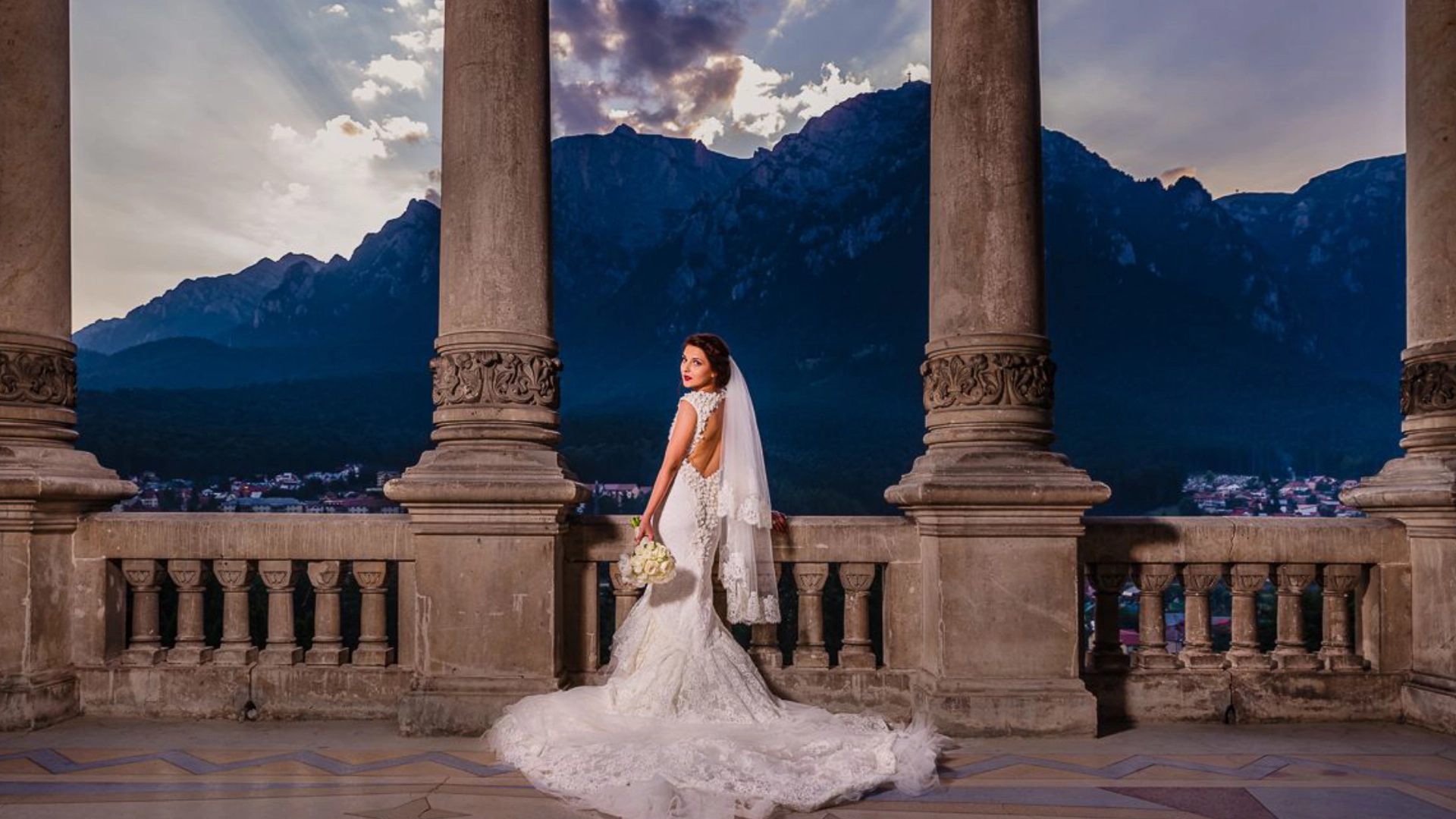
At a Romanian wedding, the parts that seem most festive from the outside often carry the most ordinary kinds of pressure: who is paying, who must be invited, what the church expects, and how much tradition the couple can honestly handle. A Romanian bride may not be trying to stage a perfect cultural event. She may be trying to respect her family, protect the budget and still have a day that feels like her own.
Romanian Wedding Customs That Shape the Day
The day may start long before anyone reaches city hall or the church, and for couples involving mail order brides from Romania, those early family rituals often reveal just how meaningful the transition into marriage is meant to be. In some families, relatives gather at the bride’s home for photos, music, blessings, and small symbolic moments tied to leaving one household and beginning another. Depending on the region and the family’s style, there may also be musicians, a procession, or a more formal presentation of the couple to the wider community.
Romania separates the civil ceremony from the religious one. Some couples handle the legal marriage on one date and hold the church service and reception later, especially when relatives are traveling or venues are hard to book. Orthodox weddings are common, but Romania is not religiously uniform. Catholic, Protestant, Jewish, Muslim, mixed-faith, and secular families all exist, so it is safer to ask what this family practices than to treat the country as one single wedding pattern.
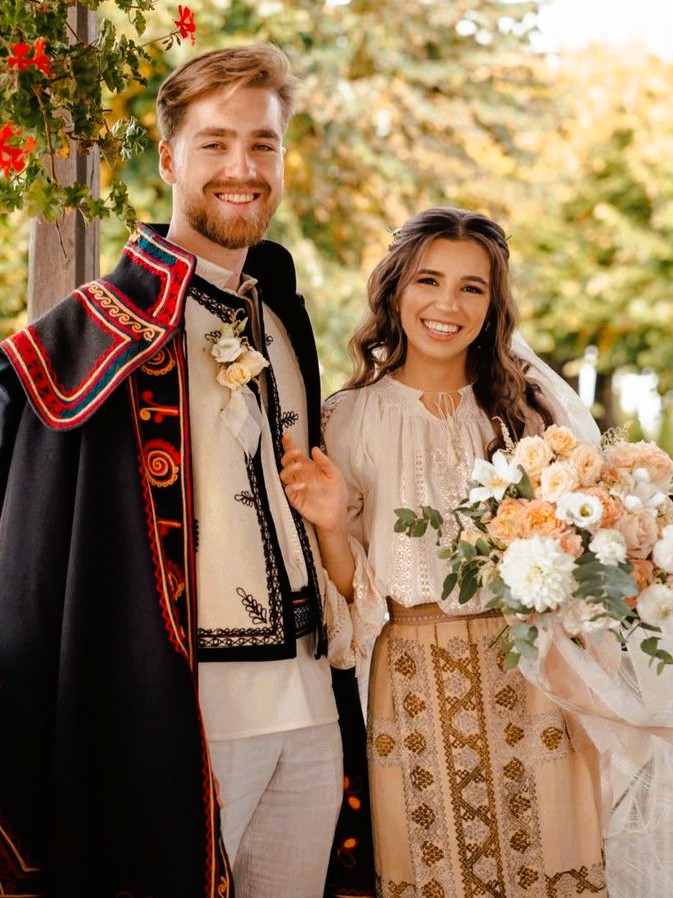
Some customs are well known without being guaranteed. The playful “bride’s kidnapping”, where friends take the bride to another nearby location and negotiate her return, still appears at certain receptions. The “hora”, a circle dance, is often used to pull guests together without making anyone perform complicated steps. Godparents, known as “nași”, can also have a serious role, offering ritual support, guidance, and sometimes financial help.
Where plans become difficult is usually not the custom itself, but the time around it. Moving between a home, city hall, church, photo locations, and a reception venue can turn small delays into a long day. A couple planning across cultures should decide early which customs are essential, which are nice if there is room, and which are being included only because someone repeated, “That is how it is done”.
What a Romanian Bride May Value Most?
Respect often matters more than the most visible details. The dress, flowers, menu, and music will get attention, but she may be more concerned with whether her partner understands the obligations sitting behind those choices. Family members may have opinions about the guest list, church etiquette, seating, music, food, and even how late the reception should run.
Romanian wedding traditions can feel personal because they often connect several generations. A mother may care about a blessing at home. A grandmother may watch closely during the religious ceremony. A father may see the wedding as a public family moment, not only a private celebration for two people. That does not mean the woman getting married is not independent. More often, she is trying to honor people without letting the wedding become managed by everyone else.
A concrete observation: the arguments that drain couples are often about details that look small until they happen in front of guests. Who walks in first. Whether there is a veil change or another symbolic moment after midnight. How much traditional music is enough before younger guests want something else. Whether the reception follows the expected rhythm of sarmale, grilled meats, cake, fruit, and late-night food.
For couples planning in more than one country, the location decision brings its own tradeoffs. A wedding in Romania may make it easier for local relatives to attend and understand the customs. A wedding abroad may reduce some family pressure, but it can add translation issues, travel costs, and paperwork. Before choosing the option that seems easiest from a distance, it helps to look honestly at the planning demands of a destination wedding.
What she values may be quite simple: her culture should not be turned into a theme, and it should not be treated as an inconvenience. The most comfortable wedding usually sits somewhere between those two mistakes.
How Families Influence the Wedding Decisions?
Family involvement is not automatically interference. In Romanian weddings, relatives may see the event as a shared family milestone, especially when people are contributing money, hosting guests, or taking part in religious roles. Parents may offer financial help and expect some influence. Godparents may sponsor parts of the day and appear in several formal moments. Relatives may also read an invitation, or the lack of one, as a sign of closeness.
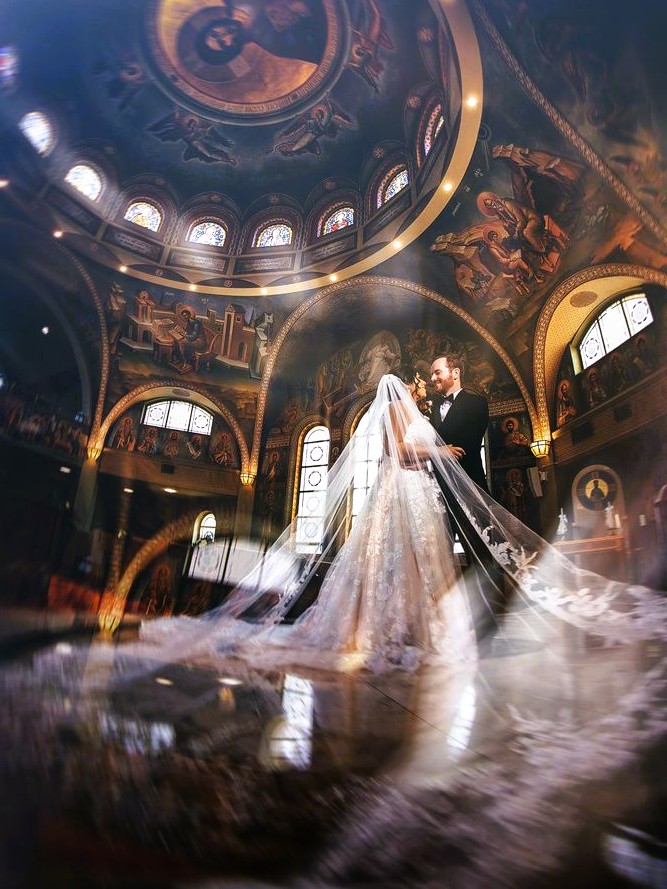
A calm warning: unclear answers can create more trouble than firm ones. Saying “we will see” about distant cousins, a church ceremony, the band, or the guest count may keep the peace for one conversation, but it can create disappointment later. A reception for 40 people and a reception for 180 are not just different atmospheres. They require different venues, budgets, timelines, and energy.
Money deserves direct language rather than hopeful guessing. In some Romanian families, guests give cash gifts in envelopes, and couples may plan the reception with that custom in mind. That does not make it wise to spend as if the money is guaranteed to return. It simply means the couple should understand the tradition without turning guests into a financial strategy.
Useful Questions Before Family Meetings
- Who is paying for each major part of the wedding?
- Which customs are emotionally important, not just expected?
- How many guests can the couple afford without relying on gifts?
- Who has final say on the church, venue, menu, and music?
- Will translation be needed for vows, speeches, documents, or vendor contracts?
Private agreement between the couple should come before family discussion. No one should learn over dinner that the guest list has doubled, the church service is now fixed, or a band has been promised. When the couple is aligned first, relatives are less likely to feel embarrassed or played against each other.
Mistakes Foreign Grooms Often Make
Good intentions can still create pressure. A groom may agree to every tradition because he wants to be supportive, then realize later that the schedule and cost are larger than he understood. Another may treat the customs as light entertainment and miss the family meaning behind them. In both cases, his partner ends up translating more than words; she has to explain expectations, emotions, and consequences.
A common misconception is that women from Romania all want the same type of wedding. A couple in Bucharest, Cluj-Napoca, Iași, or Timișoara may plan very differently from a couple in a smaller town or village. Some prefer a short civil ceremony, a modern restaurant, and a DJ. Others want a full church service, a live band, traditional food, and dancing into the morning. Region, religion, education, family finances, and personal taste all shape the day.
Another mistake is letting online dating language flatten real people. Phrases such as Romanian women seeking marriage may be search terms, but they can make women sound like a category rather than adults with work, families, doubts, standards, and preferences. Anyone hoping to marry across cultures has to move past that language quickly and deal with the ordinary questions that decide compatibility: trust, money habits, conflict style, family boundaries, faith, location, and long-term plans.
Practical consequence: weak planning can be read as disrespect. Missing a meeting with the priest, arriving late for paperwork, ignoring dress expectations, or not learning how relatives’ names are pronounced may seem minor to one person and careless to another. A cross-cultural wedding does not require perfect performance, but it does require attention.
The better approach is steady rather than dramatic. Ask early, write down decisions, confirm what was agreed, and leave space for the woman getting married to say, “I do not actually want that custom”. Tradition should support the person being celebrated, not trap her.
Marrying a Romanian Woman With Respect
Respect starts well before the wedding plan. It shows in how a partner talks about Romania, her language, her family, and the real logistics of building a shared life. Compliments about beauty or traditional values are not enough, and they can become uncomfortable if they turn her into an idea. A Romanian bride is not evidence that marriage will be simpler or easier than it would be with anyone else.
The legal side can be detailed. Marriage paperwork may involve birth certificates, certificates of no impediment, translations, apostilles, residency rules, and appointments with local authorities. Requirements vary by country and sometimes by municipality, so official sources matter more than forum comments. If immigration is part of the future, timelines should be discussed openly and without pressure.
Language is also part of respect. Not every relative will speak English, and emotional moments do not always translate neatly. Learning basic Romanian greetings, family titles, and wedding phrases is a small effort with a noticeable effect. It shows that the groom is entering a family setting, not simply being accommodated by one.
A Practical Respect Checklist
- Ask which traditions she personally wants, not only what her family expects.
- Set a budget before choosing customs, venues, and guest numbers.
- Clarify where the couple will live after marriage and why.
- Discuss religion, holidays, children, language, and money before the wedding rush.
- Use professional translators for documents rather than relying on relatives.
Some readers reach this topic through broad international dating searches, including phrases like find a wife. That wording needs care. Marriage is not a procurement process. A healthy cross-cultural relationship depends on mutual choice, clear consent, and the willingness to understand each other’s ordinary life, not only the wedding customs that surround it.
Building Trust Beyond the Wedding Celebration
After the last songs and late plates of food, the couple still has to live with the habits revealed during planning. A wedding can show how two people handle pressure. Who avoids difficult conversations? Who gives in too quickly? Who protects the couple’s privacy? Who treats money as a shared responsibility? Those questions may feel less romantic than the reception, but they often say more about the marriage ahead.
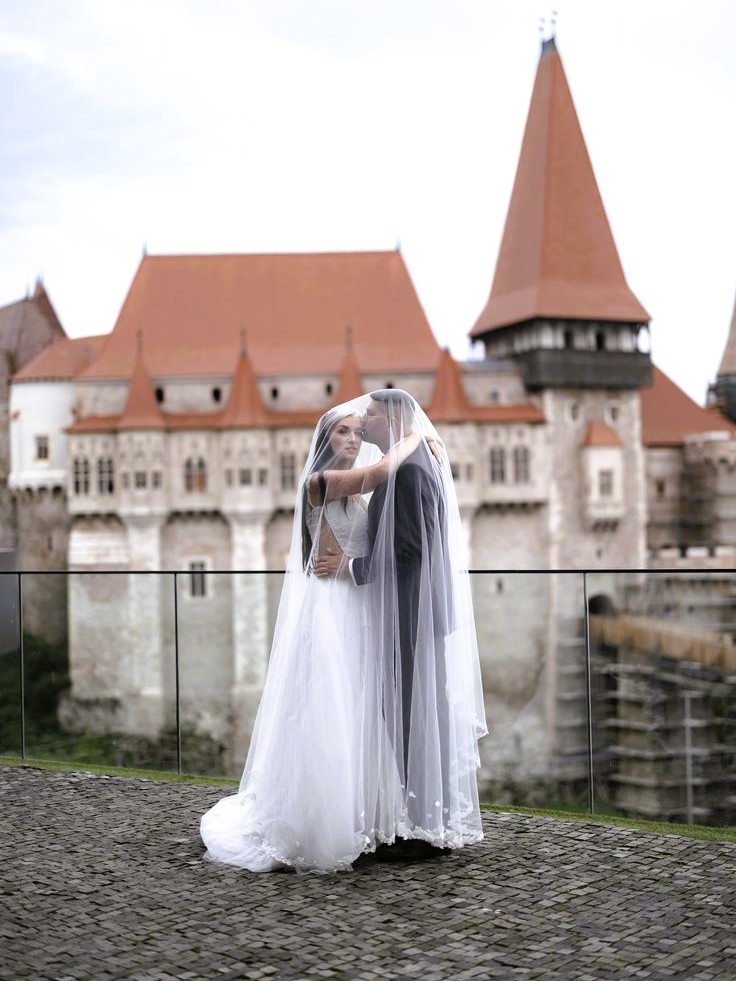
The strongest celebrations usually leave the couple some breathing room. A packed schedule may look impressive and still leave everyone exhausted. A party that runs until morning may be normal in some families, but not every couple has the same budget, stamina, or guest mix. A shorter reception, fewer symbolic moments, or a bilingual ceremony can still be respectful when the reasons are explained clearly.
Compatibility often becomes clearer around difference. A Romanian partner may feel attached to Christmas customs, name days, Orthodox fasting periods, cemetery visits, or extended family obligations. A partner from another background may have different instincts about privacy, punctuality, holidays, and spending. The wedding brings these differences into view, but it does not settle them by itself.
Good planning creates habits that remain useful after the celebration. Shared calendars, written budgets, calm family boundaries, and honest conversations about fatigue are not glamorous, but they reduce stress. A couple that can say “yes” to one tradition and “not this time” to another is already practicing a skill they will need in marriage.
There is no single correct Romanian wedding. There is the version that fits the couple, respects the families involved, and avoids treating culture as either a costume or a problem. Keep the meaningful parts close, let unnecessary pressure fall away where possible, and make the wedding a beginning that feels steady enough to live with afterward.